























































Nitish Kumar resigns, BJP’s Samrat Choudhary to become new CM

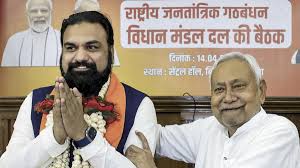
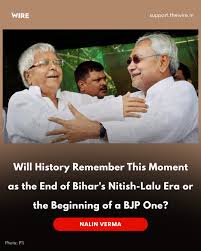
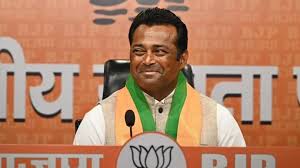
Political uncertainty in Bihar has deepened amid continuing speculation that Chief Minister Nitish Kumar may step down, potentially paving the way for a leadership shift involving senior Bharatiya Janata Party figure Samrat Choudhary, although no official announcement has been made by any of the key stakeholders. Sources familiar with the evolving situation suggest that intense back-channel discussions are underway within alliance partners, with leadership equations, power-sharing arrangements, and future electoral positioning all believed to be part of the ongoing deliberations. Nitish Kumar, one of the most experienced regional leaders in Indian politics, has previously demonstrated a willingness to recalibrate alliances in response to changing political conditions, making any such speculation particularly significant for the state’s power structure. On the other hand, Samrat Choudhary has emerged in recent years as a prominent face of the BJP in Bihar, strengthening his political standing within the party and becoming a key figure in its organizational strategy, which adds weight to discussions around a possible leadership transition should circumstances align.
Analysts point out that a change in leadership at this stage would not only alter the administrative direction of the state but also have ripple effects across national political narratives, especially considering Bihar’s importance in parliamentary arithmetic. The potential shift could redefine alliance dynamics between regional and national parties, influence governance priorities, and impact voter perception ahead of upcoming electoral cycles. At the same time, senior leaders across parties have either dismissed the reports as speculative or chosen to remain non-committal, indicating that negotiations, if any, are still at a sensitive stage. Governance continuity, policy stability, and coalition balance are likely to be key considerations before any formal decision is taken.
Despite the heightened political buzz, officials have emphasized that there has been no resignation submitted nor any formal leadership change initiated, underscoring that the current developments remain within the realm of political speculation rather than confirmed reality. Observers caution that Bihar has witnessed similar moments of uncertainty in the past, often followed by unexpected political outcomes, making it essential to rely on official communication rather than informal reports. As the situation continues to evolve, all eyes remain on statements from party leadership and constitutional authorities, which are expected to provide clarity on whether the state is indeed heading toward a significant political transition or whether the current speculation will settle without any immediate change in leadership.