






































































Sattankulam custodial deaths: The chilling account of police head constable Revathi who spoke out against her colleagues


The custodial deaths of a father and son in Sattankulam, Tamil Nadu, remain one of the most disturbing cases of alleged police brutality in recent years, and a crucial turning point in the investigation came from the testimony of police head constable Revathi, who chose to speak out against her own colleagues. The victims, P. Jayaraj and his son J. Bennix, were arrested in June 2020 for allegedly violating lockdown restrictions and were later subjected to severe custodial abuse, leading to their deaths. While early reports relied on medical findings and public outrage, Revathi’s account provided a rare, first-hand narrative from within the police system, strengthening the case against the accused officers.
According to her statements, Revathi described in detail how the two men were allegedly assaulted inside the police station, recounting prolonged physical violence that went far beyond lawful interrogation. Her testimony reportedly included observations of repeated beatings, the use of excessive force, and the deteriorating condition of the victims while in custody. What made her account particularly significant was that it corroborated injuries noted in post-mortem reports and aligned with statements from other witnesses, thereby reinforcing the prosecution’s case.
Revathi’s decision to come forward was widely seen as an act of courage, given the risks associated with testifying against fellow officers in a hierarchical and tightly knit institution. Legal experts noted that insider testimony in such cases is rare but can be pivotal in establishing accountability, especially when incidents occur within controlled environments like police stations where external evidence is limited. Her statements not only helped investigators reconstruct the sequence of events but also challenged the initial narratives that sought to downplay the extent of violence.
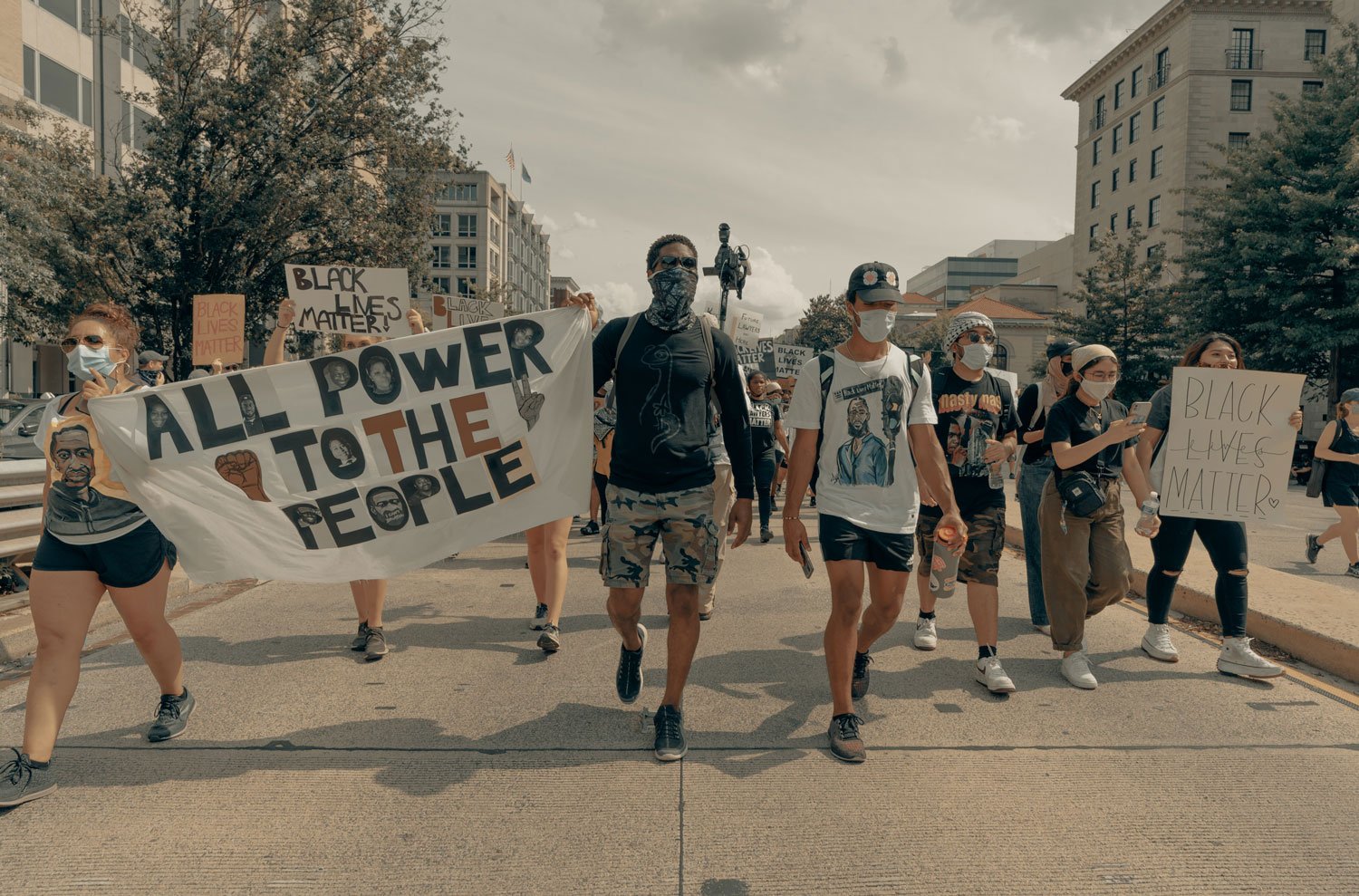
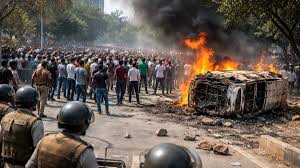
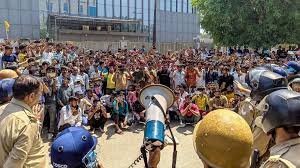
The case eventually led to the arrest and prosecution of multiple police personnel, with the Central Bureau of Investigation taking over the probe to ensure impartiality. Over time, the Sattankulam incident became a symbol of the urgent need for police reforms, greater transparency, and stronger safeguards against custodial violence. It also sparked nationwide protests and drew comparisons with global movements against police excess.
Revathi’s testimony continues to be regarded as a key element in the pursuit of justice for the victims, highlighting the importance of accountability within law enforcement agencies. Her account not only exposed the alleged actions of individual officers but also raised broader questions about systemic issues, including oversight mechanisms, training, and the culture within policing institutions.
As the judicial process continues, the Sattankulam case stands as a stark reminder of the consequences of unchecked authority and the critical role that whistleblowers can play in upholding justice. Revathi’s intervention has been widely acknowledged as a defining moment in the case, underscoring how truth from within can shape the course of accountability in even the most challenging circumstances.