






























































Assembly Election 2026 Live: Rahul Gandhi in Bengal today, Kejriwal in Tamil Nadu as polls heat up

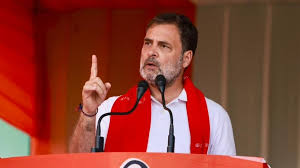
As campaigning intensifies ahead of the 2026 Assembly elections, key political leaders have fanned out across states, sharpening their outreach strategies and escalating rhetoric in a bid to consolidate voter support. Congress leader Rahul Gandhi is scheduled to address multiple rallies in West Bengal, where the party is attempting to regain lost ground and re-establish itself as a viable alternative in a state dominated by regional forces. His campaign is expected to focus on issues such as unemployment, price rise, and federal relations, while also targeting both the ruling party at the Centre and the state government. Gandhi’s visit comes at a crucial stage in the campaign cycle, as parties step up efforts to mobilize grassroots workers and sway undecided voters.
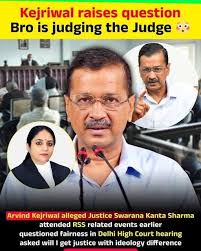
Meanwhile, Aam Aadmi Party chief Arvind Kejriwal is campaigning in Tamil Nadu, signaling the party’s intent to expand beyond its traditional strongholds. Kejriwal’s outreach in the southern state has largely revolved around governance models, education reforms, and healthcare initiatives that his party claims to have successfully implemented in Delhi and Punjab. His presence in Tamil Nadu reflects a broader strategy to position AAP as a national alternative, even in regions where it has historically had limited electoral influence. Political observers note that such cross-state campaigning is becoming increasingly common, as parties attempt to build national narratives while addressing local concerns.
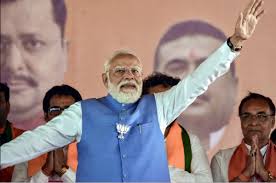
The simultaneous presence of national leaders in different states highlights the high stakes of the ongoing elections, with multiple parties seeking to shape public opinion through large rallies, targeted messaging, and social media engagement. In West Bengal, the contest is expected to be particularly intense, with parties competing for a diverse voter base across urban and rural constituencies. In Tamil Nadu, regional dynamics remain dominant, but the entry of additional players like AAP adds a new dimension to the electoral landscape.
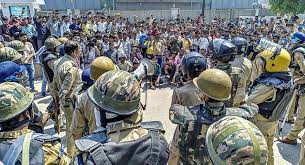
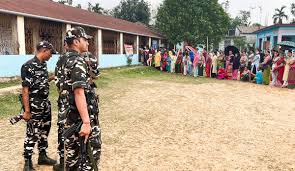
Security arrangements have been tightened in both states, with local administrations coordinating closely with election authorities to ensure smooth conduct of campaign events. Large crowds are expected at rallies, reflecting heightened political interest and competitive campaigning. At the same time, political discourse has become sharper, with leaders exchanging accusations over governance, corruption, and policy priorities.
As the election season progresses, campaign strategies are likely to evolve further, with parties refining their messaging based on voter response and ground feedback. The coming days are expected to witness more high-profile visits, alliances, and announcements, all aimed at gaining an edge in closely contested constituencies. With momentum building across states, the focus remains firmly on voter turnout, issue-based campaigning, and the ability of parties to convert public sentiment into electoral success.