















































You attended RSS-linked events 4 times: Arvind Kejriwal to judge in court

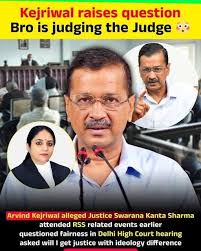
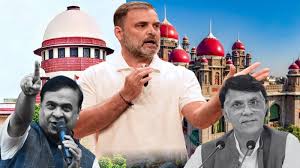
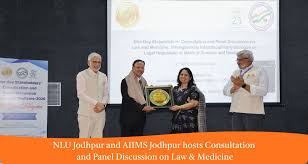
A dramatic courtroom exchange unfolded in the Delhi High Court as Aam Aadmi Party leader Arvind Kejriwal directly questioned the impartiality of Justice Swarana Kanta Sharma during a hearing related to the Delhi excise policy case, alleging that the judge had attended events linked to the Rashtriya Swayamsevak Sangh (RSS) on four occasions. Appearing in person to argue his plea, Kejriwal sought the judge’s recusal from hearing the Central Bureau of Investigation’s petition challenging his earlier discharge in the case, stating that these associations created a “reasonable apprehension of bias” and could affect the fairness of proceedings.
Kejriwal argued that even the perception of bias was sufficient grounds for a litigant to request a change of judge, emphasizing that he and his party strongly oppose the ideology associated with the RSS and that such perceived proximity could undermine confidence in a fair trial. He further contended that certain observations made during previous hearings and the pace at which the case was being handled contributed to his concerns that he was being treated as “guilty” despite having been discharged by a trial court earlier in 2026.
The judge, however, questioned the basis of these allegations, reportedly asking whether any political statements had been made at the events in question that would justify doubts about judicial neutrality. She also noted that this was the first time in her judicial career that a litigant had requested her recusal on such grounds, and she reserved her order on the plea after hearing arguments from both sides.
The Centre’s counsel and Solicitor General Tushar Mehta strongly opposed Kejriwal’s request, describing it as “motivated and juvenile,” and argued that attending professional or legal events organized by associations with perceived affiliations does not establish bias. The prosecution maintained that such claims could set a problematic precedent if accepted without substantive evidence.
The case itself stems from the controversial 2022 Delhi excise policy, under which Kejriwal and several others had been accused of irregularities in liquor license allocation. Although a trial court discharged the accused citing insufficient evidence, investigative agencies including the CBI have challenged that decision in higher courts, keeping the legal battle ongoing.
The episode has sparked wider debate around judicial impartiality, political narratives, and the boundaries of recusal requests in India’s legal system. While Kejriwal framed his plea as a matter of ensuring fairness and transparency, critics have viewed it as an attempt to influence proceedings or delay the case. As the High Court considers whether the judge should step aside, the outcome is expected to have implications not only for this high-profile case but also for how similar concerns over perceived bias are addressed in the future.