












































































U.P. hikes minimum wages across categories after Noida unrest

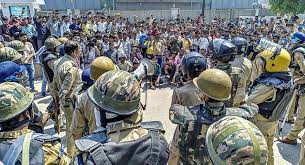
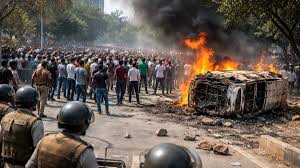
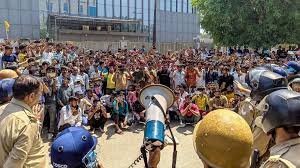
In the aftermath of violent labour protests in Noida, the Uttar Pradesh government has announced a revision of minimum wages across multiple categories of workers, in a move aimed at addressing widespread dissatisfaction over low pay and poor working conditions in the state’s industrial hubs. The decision follows days of unrest in Noida’s manufacturing belts, where thousands of workers had taken to the streets demanding higher wages, fixed working hours, and better enforcement of labour laws. The protests, which escalated into clashes with police and incidents of vandalism, highlighted deep-rooted economic concerns among industrial labourers, particularly those employed in small and medium enterprises.
Officials stated that the revised wage structure would apply to different skill categories, including unskilled, semi-skilled, skilled, and highly skilled workers, with incremental increases designed to reflect rising living costs and align more closely with wage levels in neighbouring states. The revision is also intended to reduce disparities that had triggered discontent among workers who compared their earnings with those in nearby regions such as Haryana, where minimum wages are relatively higher. Authorities believe that the new wage framework will provide immediate financial relief to workers while also helping restore stability in industrial operations.
The government has coupled the wage hike with a broader set of measures aimed at improving labour conditions, including stricter monitoring of compliance by factory owners, enforcement of timely salary payments, and provisions for overtime compensation. Labour department officials have been directed to conduct regular inspections to ensure that employers adhere to the revised wage norms and do not engage in exploitative practices. In addition, mechanisms are being strengthened to allow workers to file complaints and seek redressal in cases of violations.
Industry representatives have responded cautiously to the announcement, acknowledging the need to address worker concerns but also raising questions about the potential impact on operational costs, particularly for smaller units. Some have called for phased implementation or additional support measures to help businesses absorb the increased wage burden without affecting competitiveness. On the other hand, labour unions have welcomed the decision, describing it as a long-overdue step toward ensuring fair compensation and dignity for workers.
The move comes at a time when labour issues are gaining prominence in policy discussions, with governments across states facing pressure to balance industrial growth with worker welfare. Experts note that while wage revisions can provide short-term relief, sustained improvements will depend on consistent enforcement, skill development initiatives, and broader economic reforms that enhance productivity and job security.
As normalcy gradually returns to Noida’s industrial areas, the effectiveness of the wage hike will be closely monitored by both workers and employers. The government’s response underscores the urgency of addressing labour concerns proactively, especially in regions that serve as key manufacturing and employment hubs, where even small disruptions can have significant economic implications.