





































































which has grown to takeits place among the

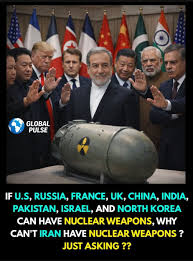
The strikes on Iran are not just a regional military event, they are quietly reshaping global security thinking and pushing multiple countries toward reconsidering nuclear weapons as a form of ultimate deterrence. Recent military actions targeting Iran’s nuclear infrastructure have failed to fully dismantle its capabilities, with reports indicating that key components, including enriched uranium stockpiles and underground facilities, remain intact, leaving the world facing a prolonged and uncertain standoff . Analysts warn that such strikes can backfire strategically, reinforcing the belief among nations that without nuclear weapons, they remain vulnerable to external pressure or attack . This perception is now influencing countries across both Europe and Asia, where longstanding non-nuclear policies are being quietly reassessed in light of shifting geopolitical realities.
In East Asia, nations like Japan and South Korea have already been engaged in internal debates about nuclear capability, driven by concerns over regional threats and doubts about the reliability of traditional security guarantees . The escalation around Iran has added urgency to these discussions, with policymakers increasingly questioning whether dependence on external protection is sufficient in an era of unpredictable conflict. Meanwhile, in the Middle East, the implications are even more immediate. Experts have long warned that if Iran moves closer to nuclear capability, countries such as Saudi Arabia and Turkey could feel compelled to follow suit to maintain regional balance and strategic parity . The result could be a cascading effect, where one nation’s pursuit of nuclear strength triggers similar ambitions among its neighbors.
The broader fear among global security experts is the emergence of a new nuclear arms race, not defined by Cold War blocs but by multiple regional powers independently seeking deterrence. Such a fragmented nuclear landscape significantly increases the risk of miscalculation, accidental escalation, or the spread of nuclear materials beyond state control. Analysts caution that in a world where more nations possess nuclear weapons, the probability of conflict involving such weapons, whether intentional or accidental, rises sharply. At the same time, diplomatic frameworks that once limited proliferation are under strain, with trust between major powers eroding and enforcement mechanisms weakening.
What makes the current moment particularly dangerous is the lesson many countries may draw from recent events: that possessing nuclear weapons can act as a shield against intervention, while lacking them can invite vulnerability. This perception, whether accurate or not, is powerful enough to influence national strategies. As governments weigh their options, the global community faces a critical juncture, where decisions taken in response to one conflict could reshape the nuclear order for decades to come, making the world not just more armed, but significantly more unstable and unpredictable.